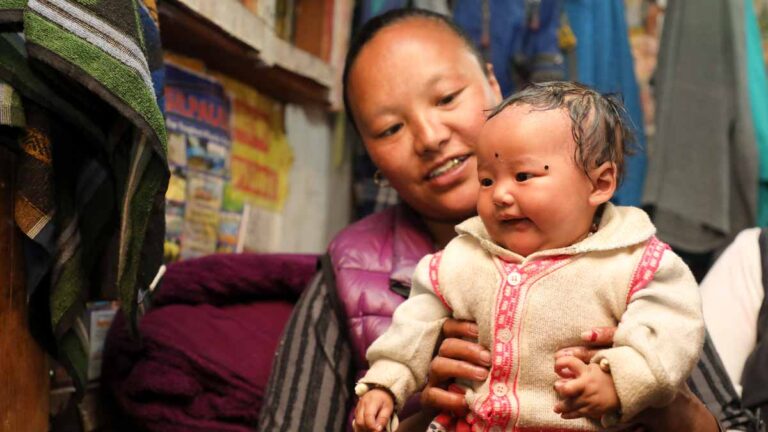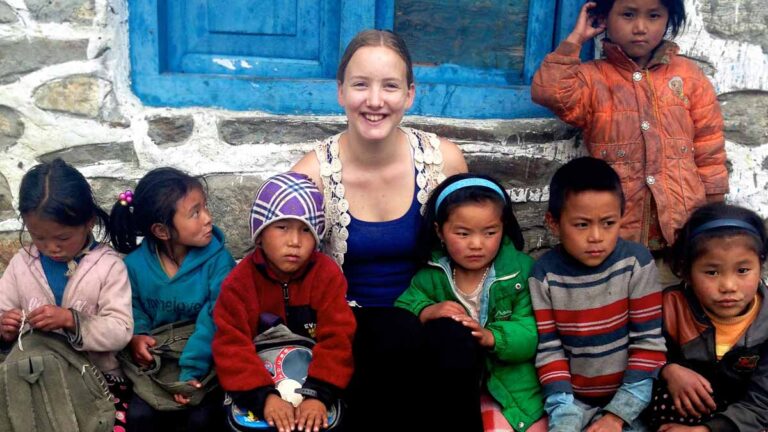
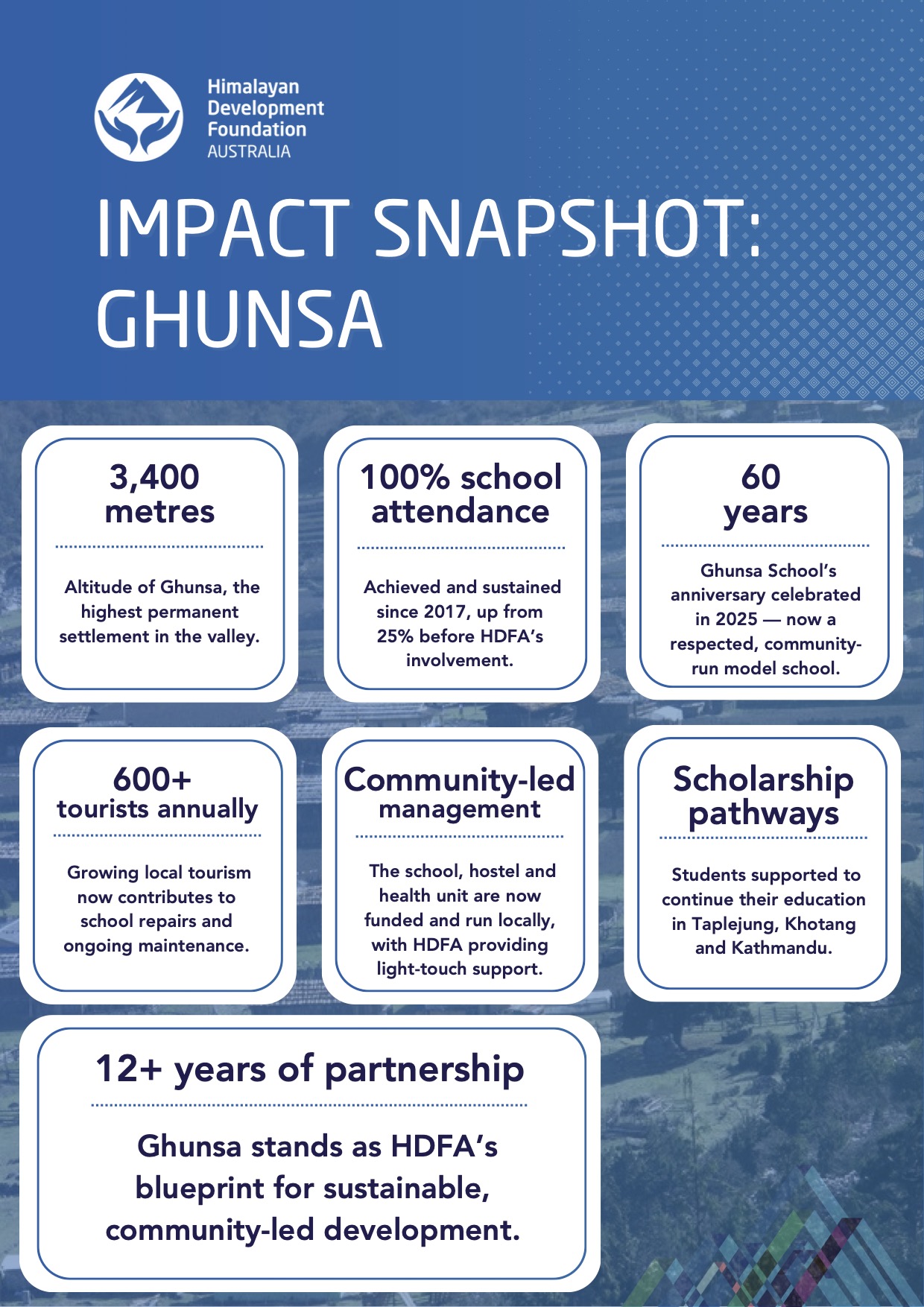
Ghunsa is where HDFA began — a remote, high-altitude village deep in the Kanchenjunga region, reachable only by flying to Taplejung, driving 18 hours, and trekking three days into the mountains.
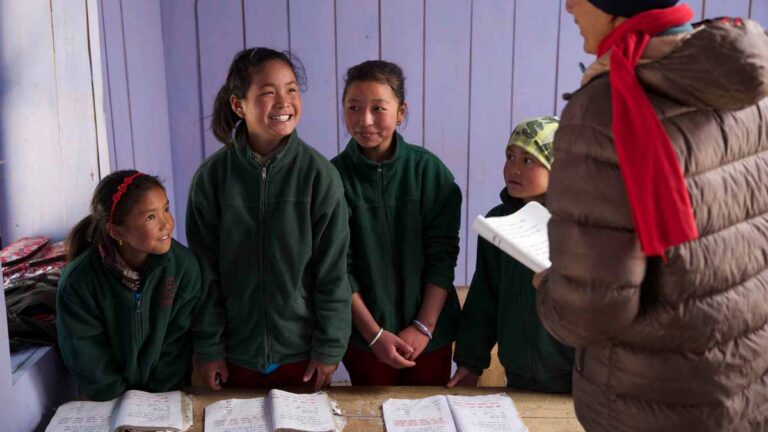
When HDFA first arrived in 2013, only 25% of children attended school, and many students slept on a concrete floor with thin mats to protect them from the cold. The village had limited government support, minimal infrastructure, and almost no outside assistance.
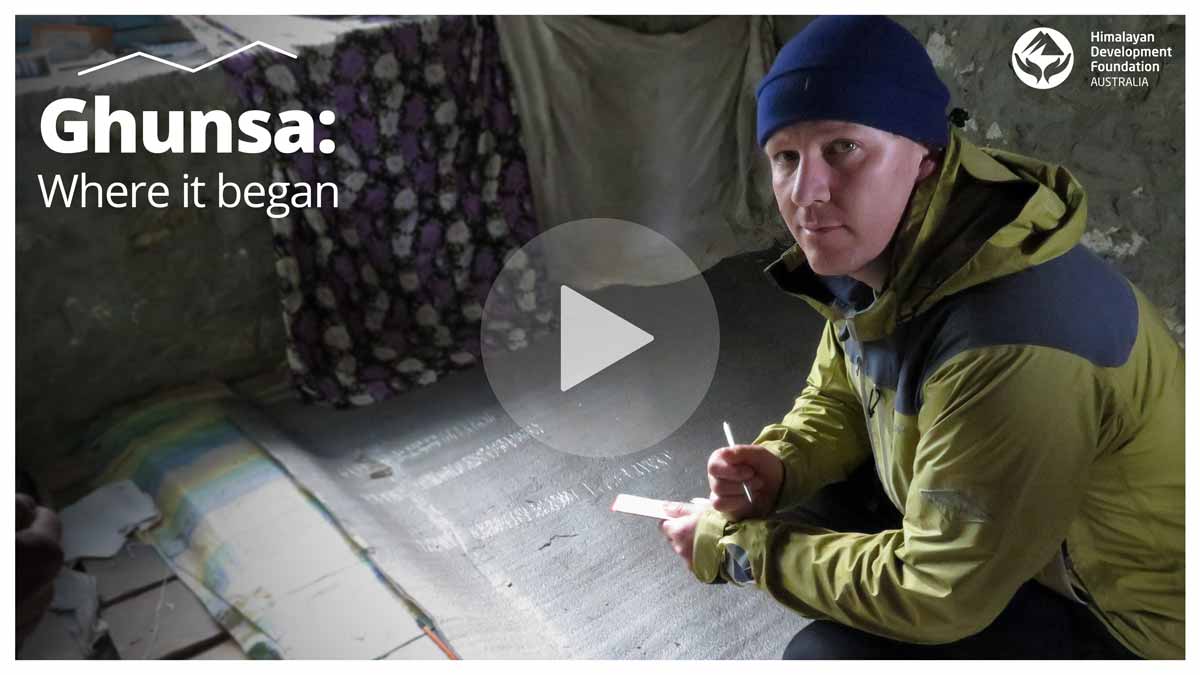
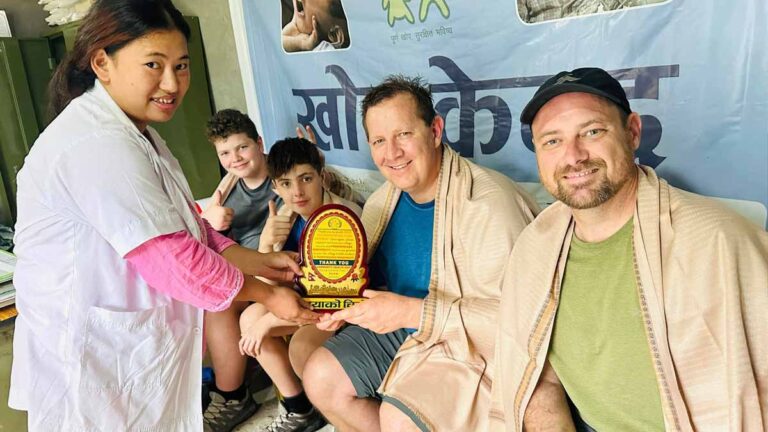
WATCH: Two of HDFA’s founders, Chris Miller and Duncan Chessell, share the moment they first saw the school in Ghunsa — and why it changed everything.
Location of Ghunsa, Nepal
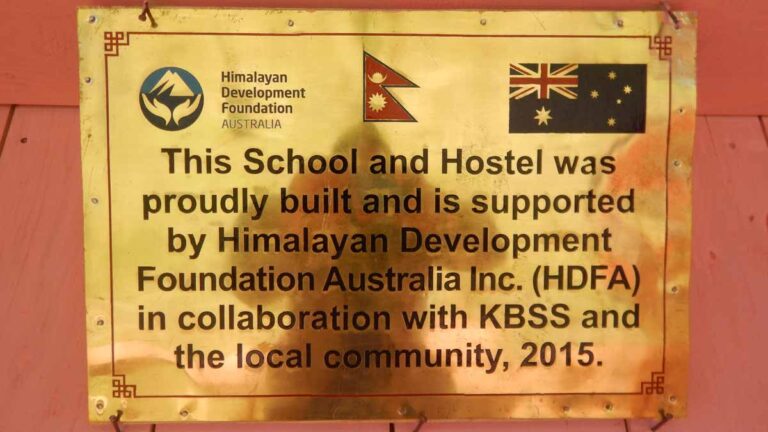
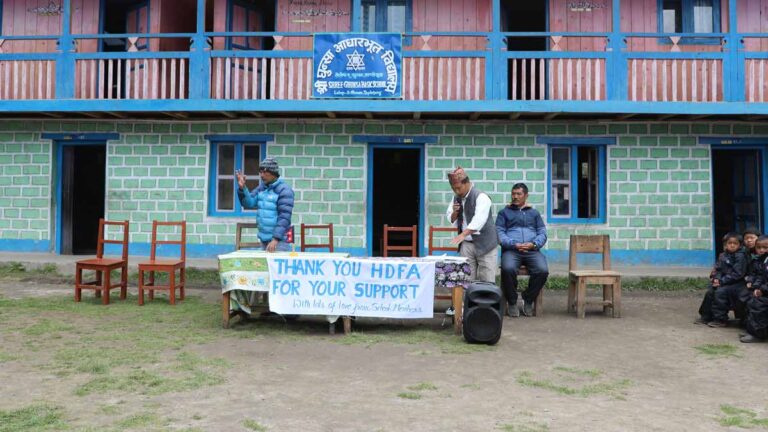
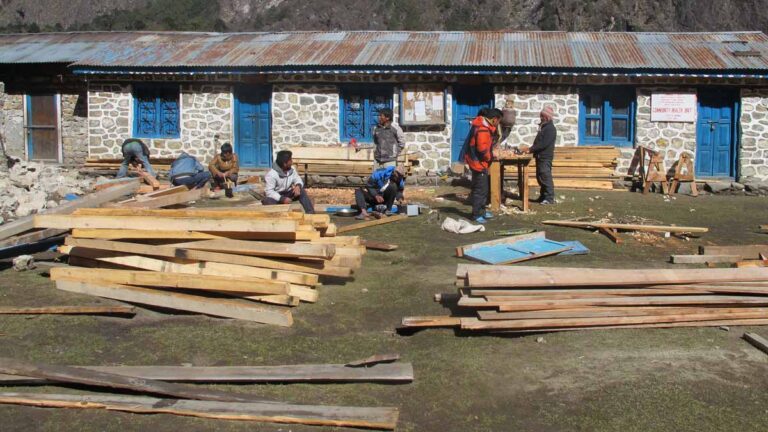
Working side-by-side with the community, HDFA rebuilt the school, upgraded the hostel, strengthened governance, and supported teachers — always with the long-term goal of Ghunsa taking full ownership.
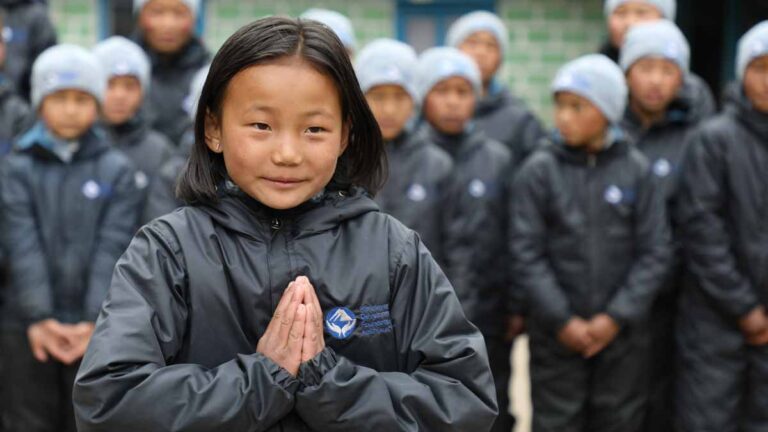
By 2017, the community achieved 100% school attendance, an extraordinary milestone for one of Nepal’s most remote valleys.
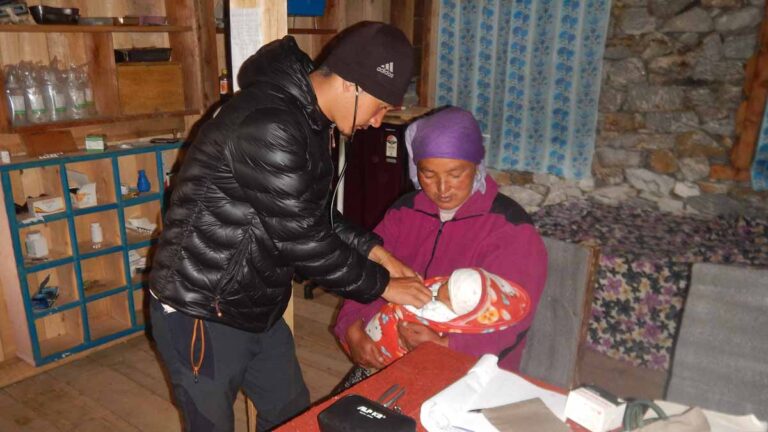
Today, Ghunsa is a fully community-managed project. The local School Management Committee and municipality fund and run the school, hostel, and health unit. Tourism businesses have created a local fundraising mechanism to support ongoing school maintenance.
HDFA now provides light-touch support, including an English teacher salary and scholarships for students continuing to Years 9–12 in Taplejung, Khotang, and Kathmandu.
Ghunsa stands as a blueprint for HDFA’s place-based model: deep partnership, strong governance, and community-led independence.