WATCH HDFA Co-founder Andrew Stace’s update
during a recent visit to the Two Rivers Project.
When HDFA arrived in 2016, entire villages had been flattened. Schools were gone. Health services barely existed. And with no way to earn a living, families were being forced to leave, sending husbands to the Middle East and Korea as migrant labourers, and leaving women and children dangerously exposed to trafficking and exploitation.
This region was, and in parts still is, one of Nepal’s known hotspots for child trafficking and unsafe labour migration. When families can’t feed their kids and there’s no school to send them to, the traffickers don’t have to work very hard.”
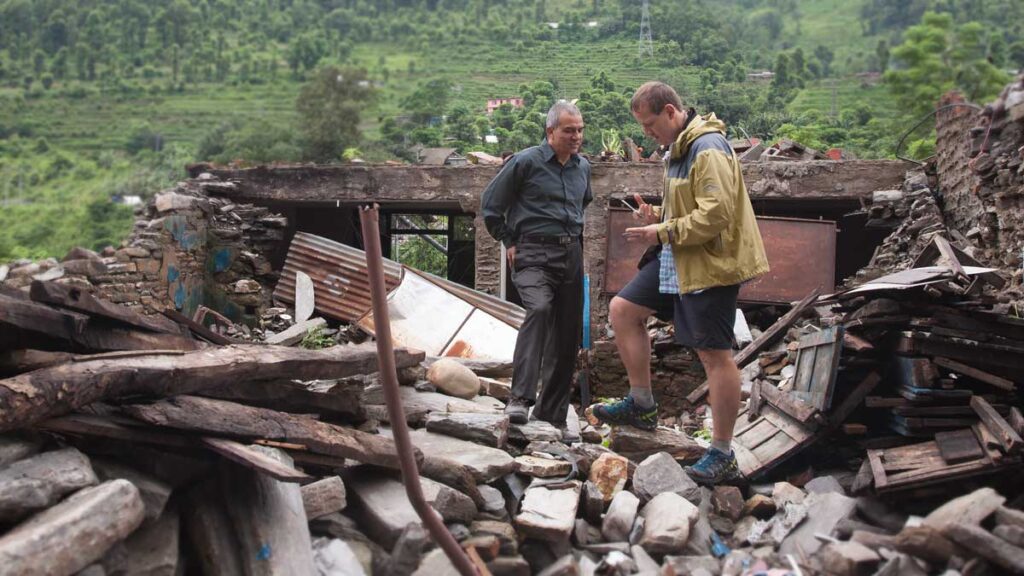
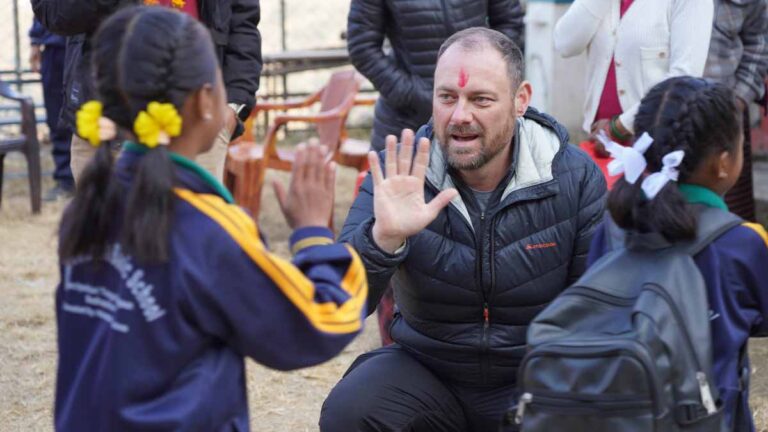
HDFA founder Duncan Chessell visiting the communities devastated by the 2015 Earthquake.
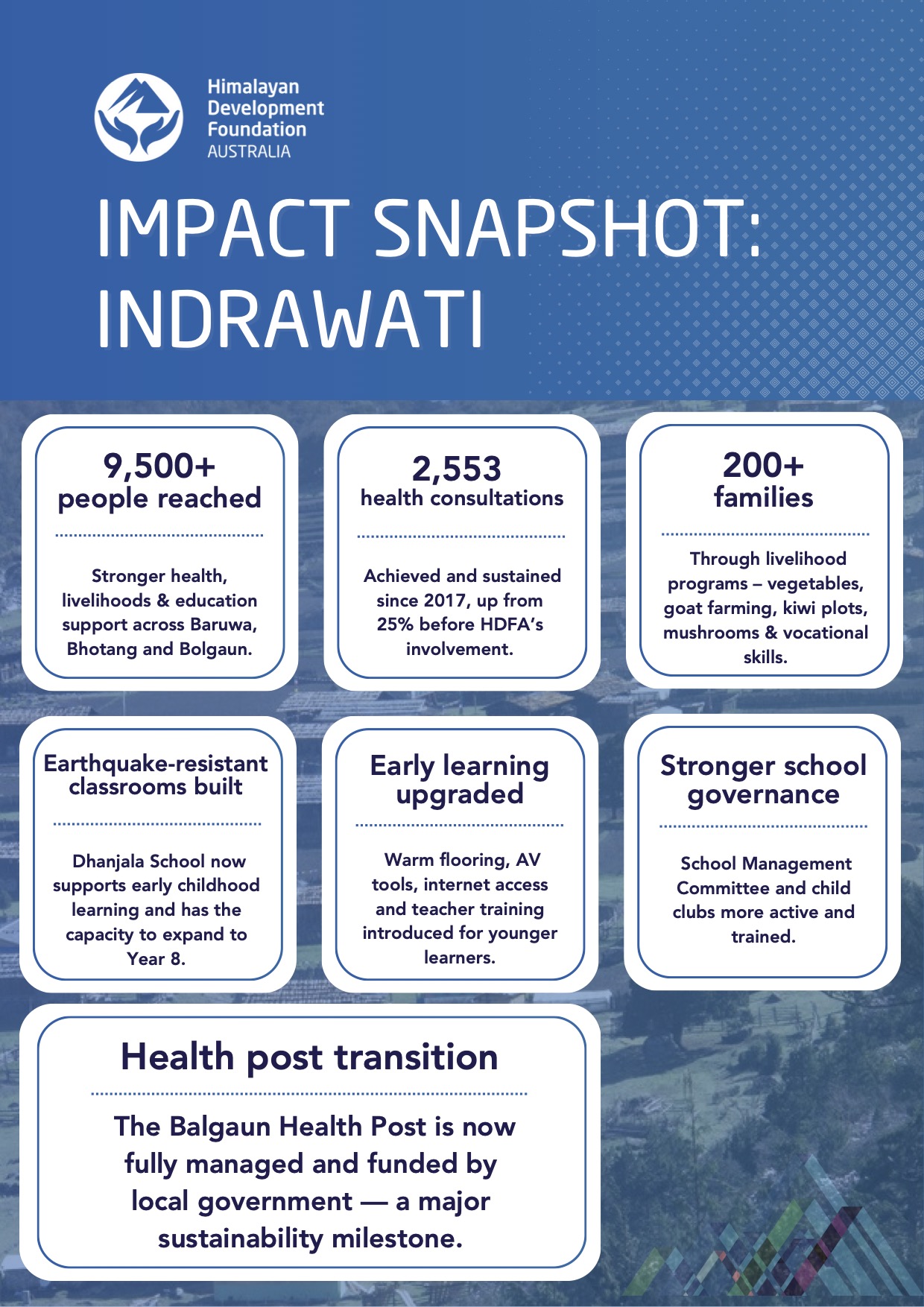
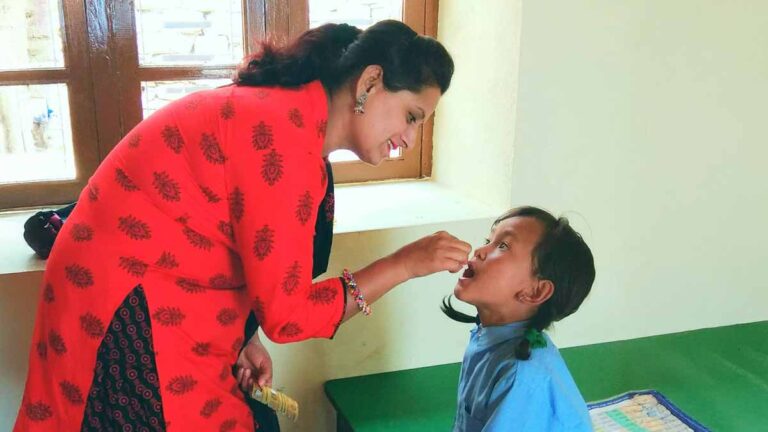
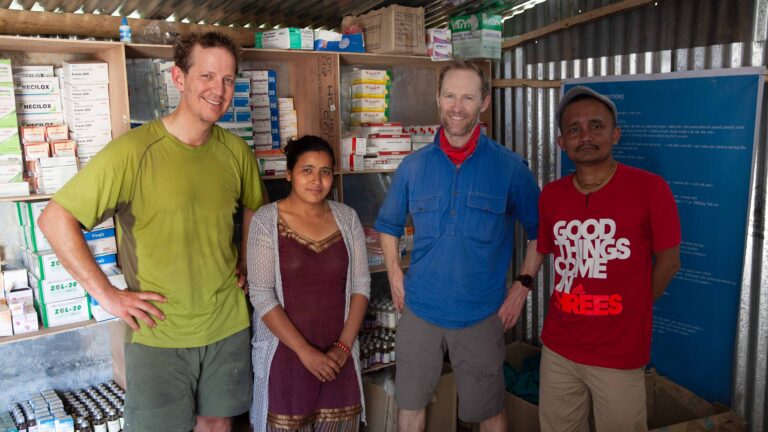
HDFA partnered with PHASE Nepal to break that cycle. Not with a quick fix, but with a practical, long-term approach. We stabilised health services so mothers could give birth safely and families could access basic care. We built livelihoods so parents had a reason to stay. And we strengthened education so children had somewhere safe to be and something to work toward.
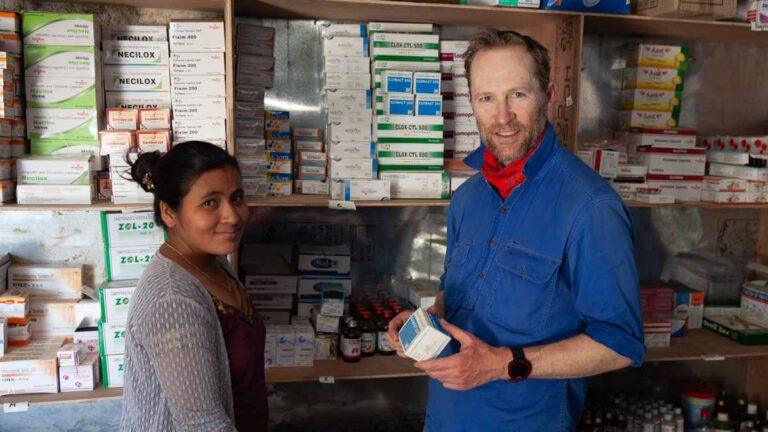
Today, Two Rivers looks completely different. A permanent health post delivers maternal care, emergency services and community health education.
Location of the Two Rivers Project, Nepal
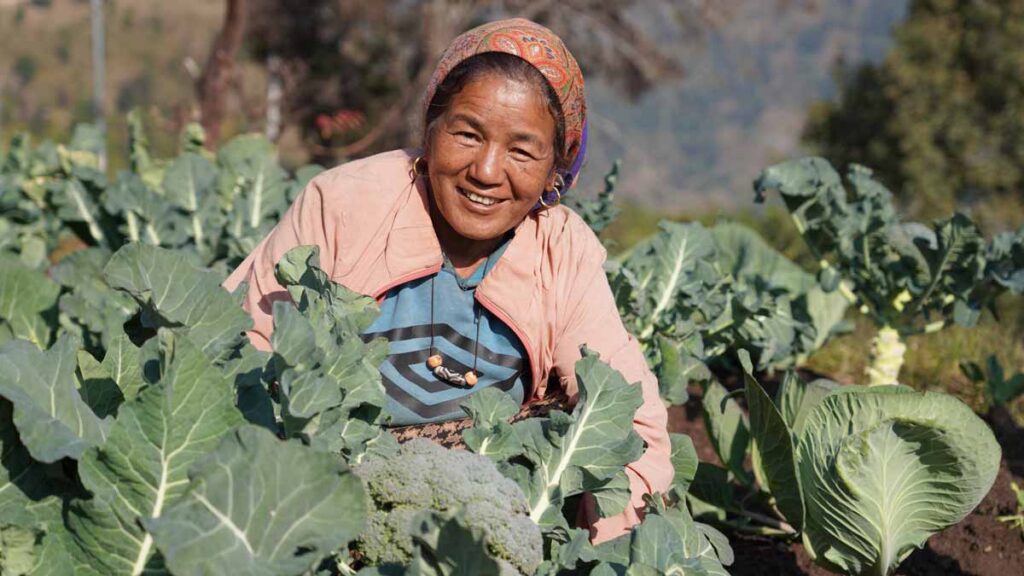
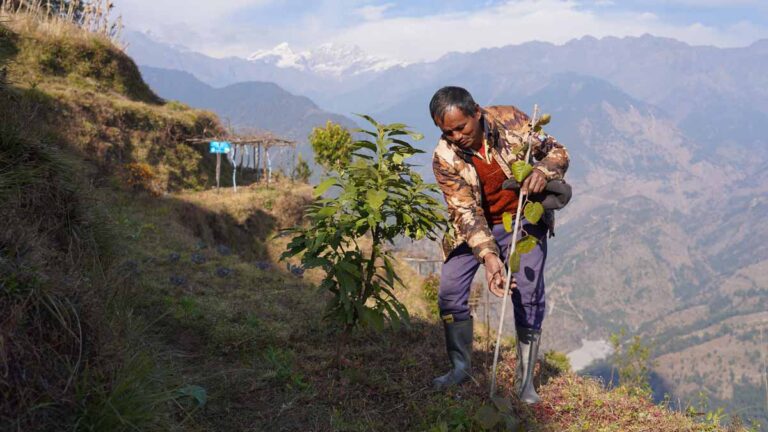
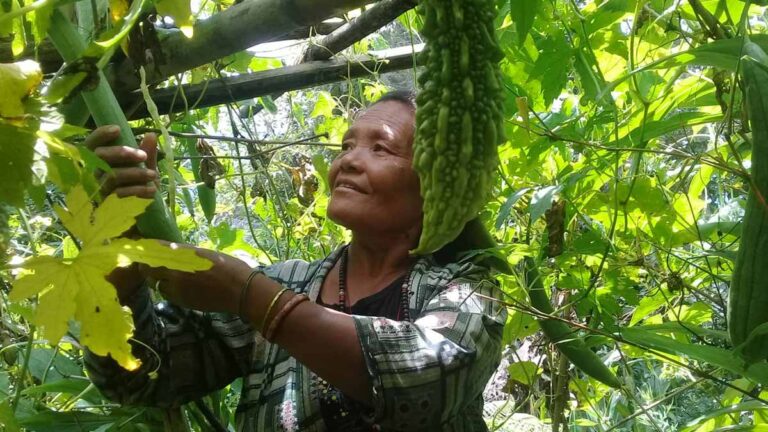
Farmers like Sonam Sherpa are building greenhouses, growing kiwi and employing local workers. Women are launching small businesses. And at Dhanjala Basic School, earthquake-resistant classrooms and trained teachers are keeping children in school, which remains the single strongest protection against trafficking in the region.
A major milestone in 2025 was the full handover of the PHASE-supported Balgaun Health Post to local government management — a key indicator of long-term sustainability and local ownership.
Two Rivers is just half a day from Kathmandu. Our supporters can come here, walk the trails, meet the families and see for yourself what a decade of place-based development looks like.
CASE STUDY: SARITA
A NEW START THROUGH GOAT FARMING
Sarita was a young mother living in Indrawati when her husband died unexpectedly. With a small daughter to raise and no stable income, she was living in a tin shed on the hillside above the school. In this region, where poverty was intensified after the 2015 earthquake, many families are exposed to traffickers seeking to exploit vulnerable children for labour.
Widowed women and their daughters are among the most at risk.
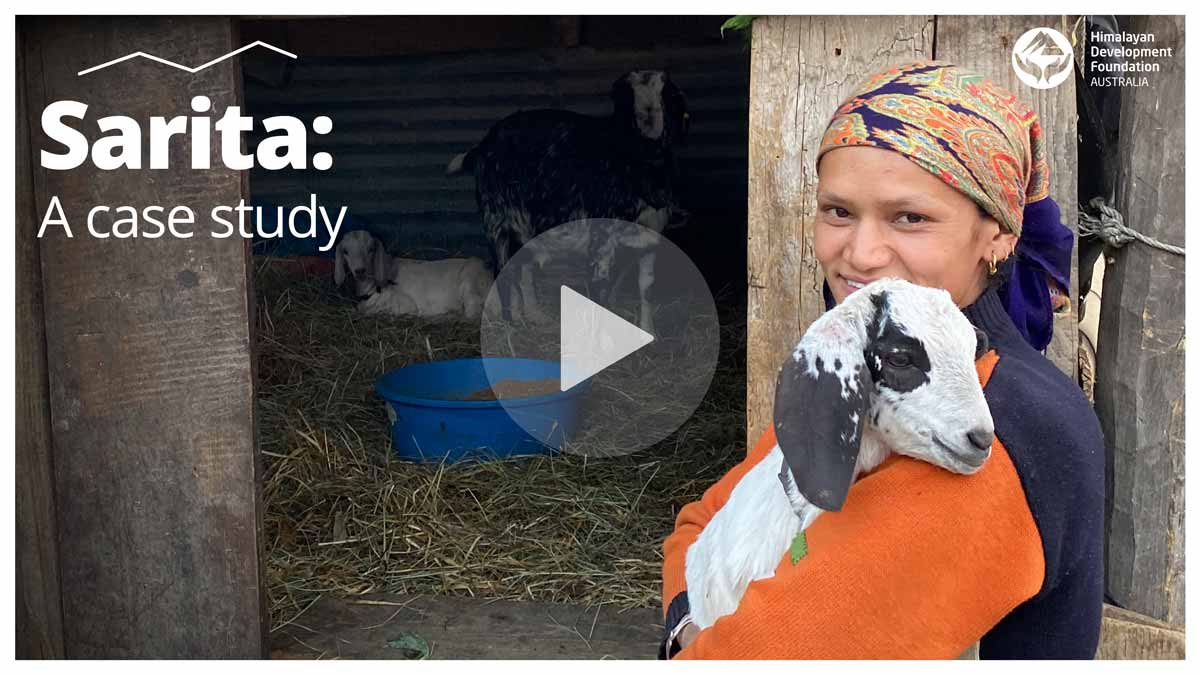
WATCH: Two of HDFAs founders Andrew Stace and Chris Miller share the realities families face in remote Nepal — and how HDFA’s livelihood programs are creating real change for women like Sarita.
Sarita had reached the point where she feared she might have to leave the area in search of work, a decision that often forces families apart and increases the likelihood of girls being trafficked or placed into unsafe labour. HDFA’s goat-farming program gave her another path.
She received a small starter herd and practical training to build her own income. As the goats reproduced, she returned animals to the program so another vulnerable family could benefit, while keeping enough to establish a stable source of livelihood.
With a reliable income behind her, Sarita was able to stay in her community and keep her daughter in school — the single strongest protection against trafficking in the region. Today, she volunteers at the school, serves on the local health board and is a respected voice for women and children.
Sarita says the goats gave her more than an income. They gave her and her daughter a future rooted in their own community, where safety, opportunity and schooling are now within reach.