HDFA works with remote Himalayan communities to create the conditions every child needs to learn, grow and build a future, no matter where they’re born.
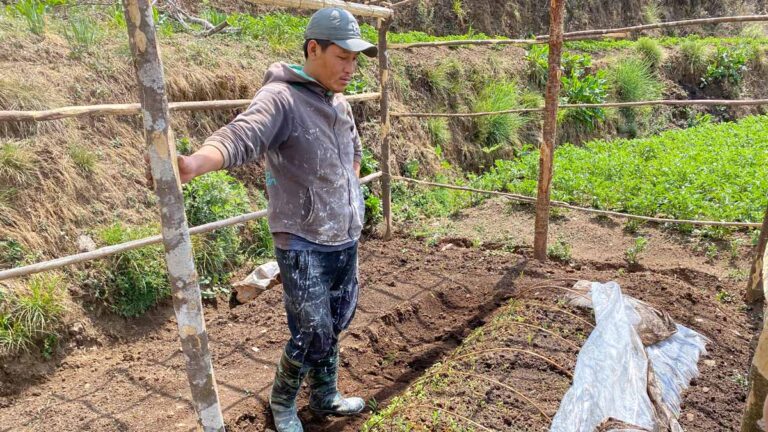
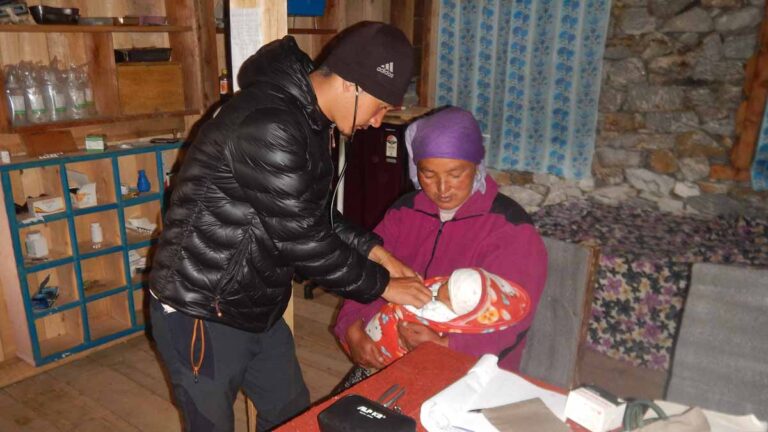
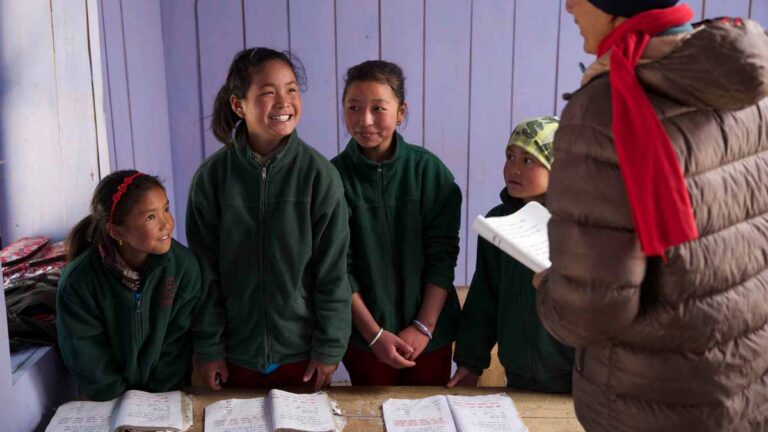
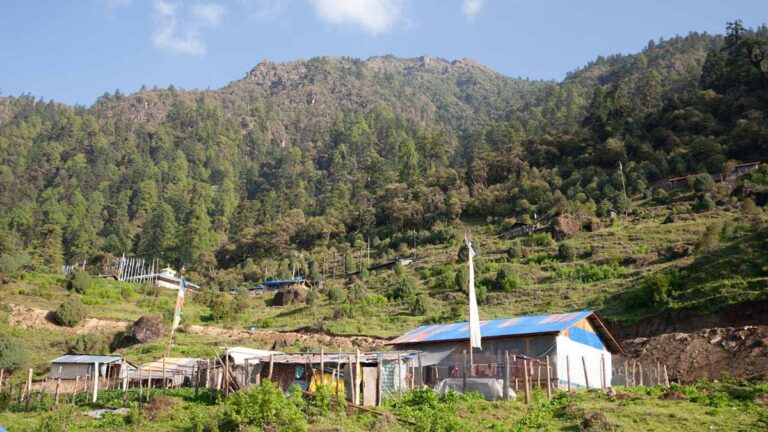
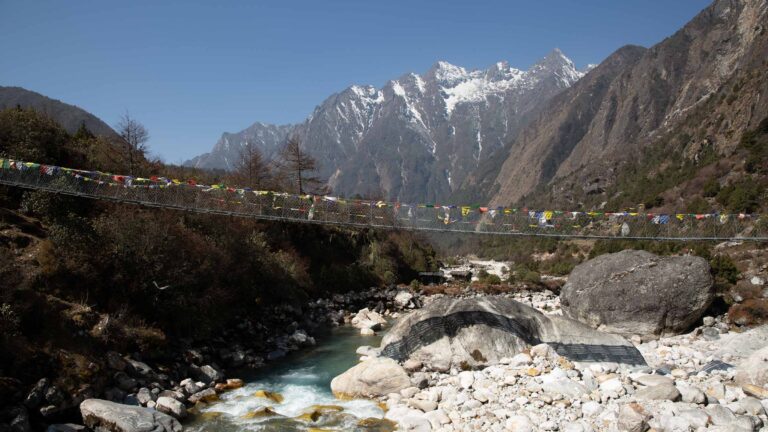
We focus on the places bigger organisations overlook: steep valleys, long walking trails, high mountain villages and communities cut off by monsoon landslides. Our approach is simple: local leadership, long-term partnership, and practical work that strengthens education, health and livelihoods side by side.
We believe in a hand up, not a handout.
We don’t arrive with answers. We arrive to listen.
Communities lead the work from day one.
As a small Australian-based NGO, we offer something rare: a direct, authentic connection between supporters and the communities we work with. Donors aren’t distant observers. They can walk the trails, share tea with the families, and see the work firsthand through HDFA’s immersive treks. We offer a chance to get off the beaten track and reconnect with what matters.
And unlike large NGOs, your donation goes straight to impact. With a lean, volunteer-led structure and trusted local partners, more of your support ends up where it’s needed most – the classrooms, health posts and hillside farms.
We’re here for one purpose: to help children in remote Himalayan communities reach higher. Our goal is to make sure their communities have the tools, skills and confidence to lead that journey long after we’re gone.
HDFA began with three Australians who fell in love with Nepal and couldn’t ignore what they saw.
Duncan Chessell, one of Australia’s most experienced high-altitude mountaineers, had spent decades climbing in the Himalayas. He has summited Mount Everest three times, guided adventures across all seven continents and led more than 20 major Himalayan expeditions. His long friendships with Sherpa families in the Kanchenjunga region were forged on tough climbs, long treks and shared life in the mountains.
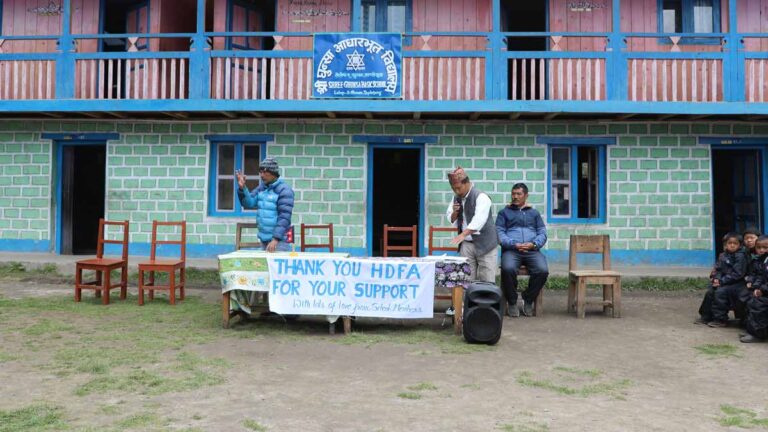
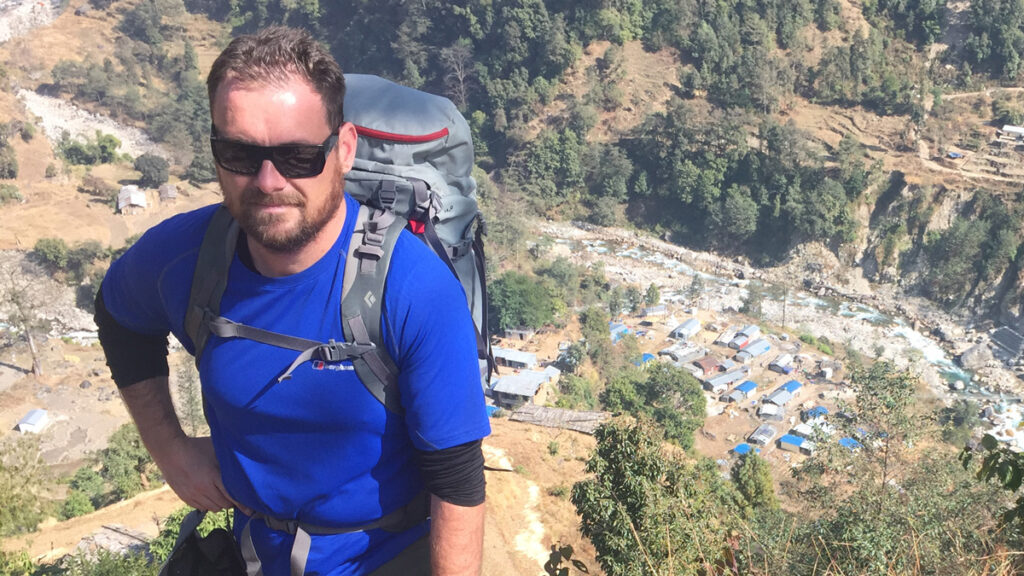
In 2013, Duncan and fellow mountaineer Chris Miller trekked into the remote village of Ghunsa, a valley Duncan knew well from years of climbing with local Sherpa guides. The journey took a one-hour flight, an 18-hour drive and a three-day walk.
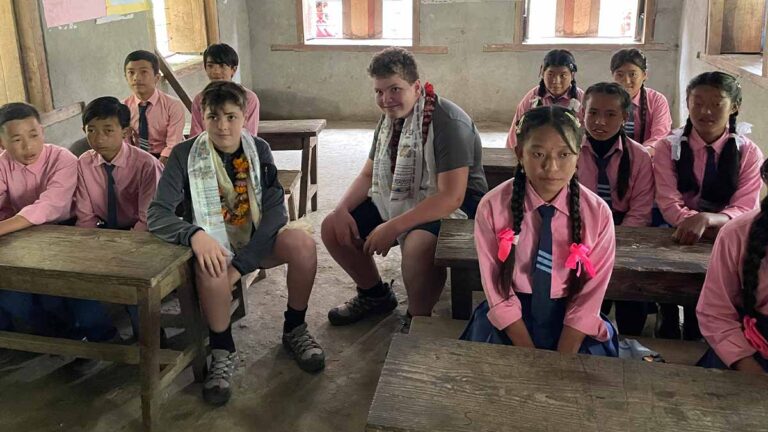
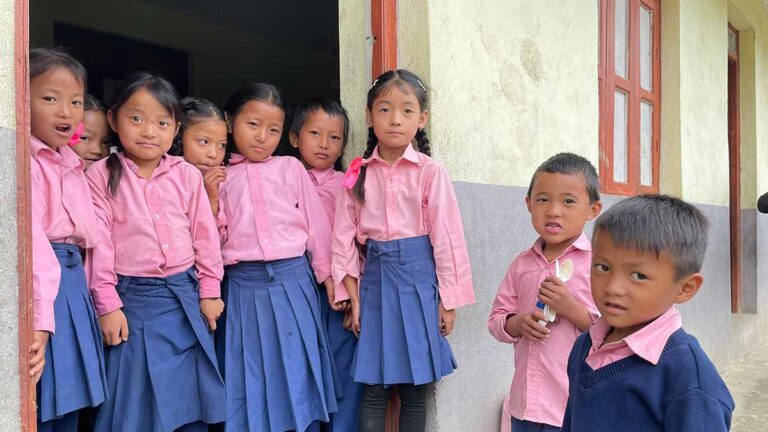
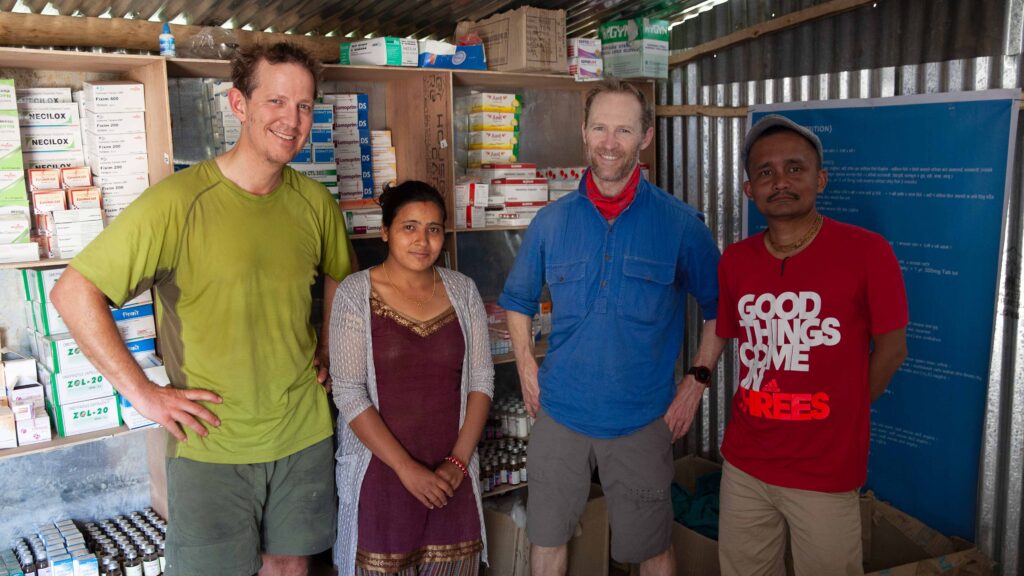
What they found was a strong, determined community, with almost no support. Children slept on a concrete classroom floor. Only a quarter of students were attending school. The health post was basic. Government services rarely made it this far.
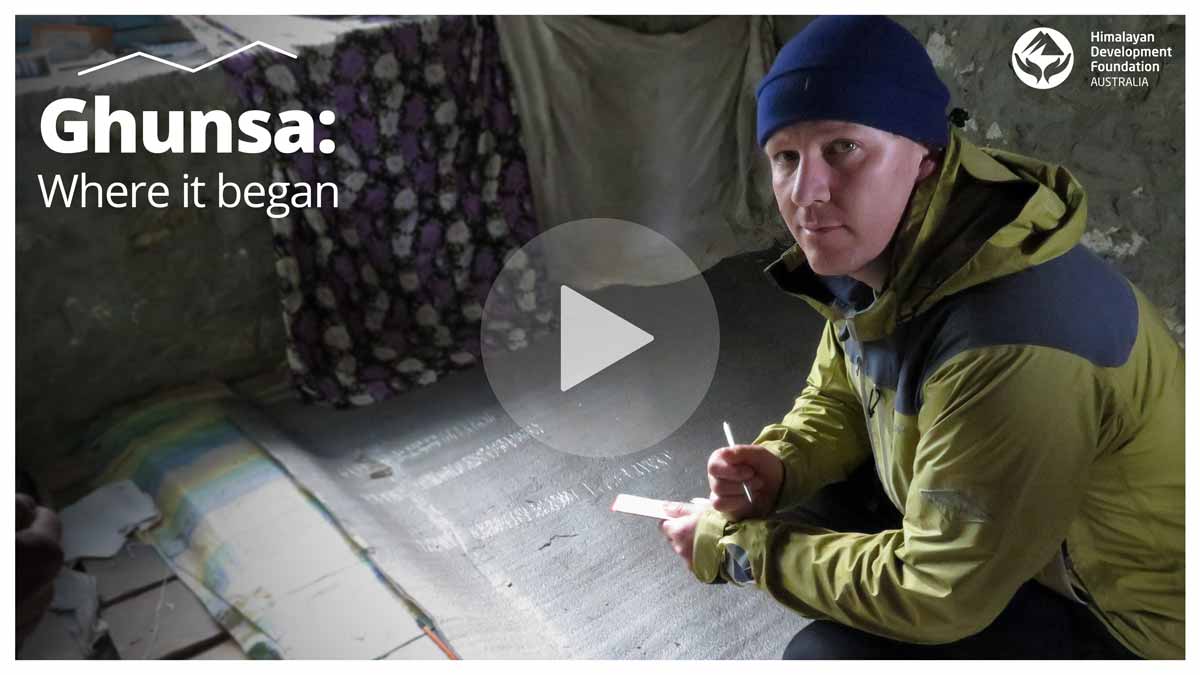
WATCH: Two of HDFA’s founders, Chris Miller and Duncan Chessell share the moment they first saw the school in Ghunsa — and why it changed everything.
They knew they couldn’t walk away.
Soon after, they were joined by Andrew Stace, a South Australian educator with deep experience in community-led development. Andrew brought the structure, strategy and long-term thinking HDFA needed, helping turn a simple idea into a place-based model built on partnership, local leadership and whole-community change.
What began as an effort to help one remote village has grown into a decade-long commitment to strengthening education, health, livelihoods and governance across remote Nepal — from Indrawati in the middle hills to the Kanchenjunga valleys in the far east.
Today, HDFA is still small, still Australian and still driven by a deep, authentic connection to the people and places we work with. Supporters can walk the same trails Duncan, Andrew and Chris walked, meet the families leading the change and see the impact firsthand.
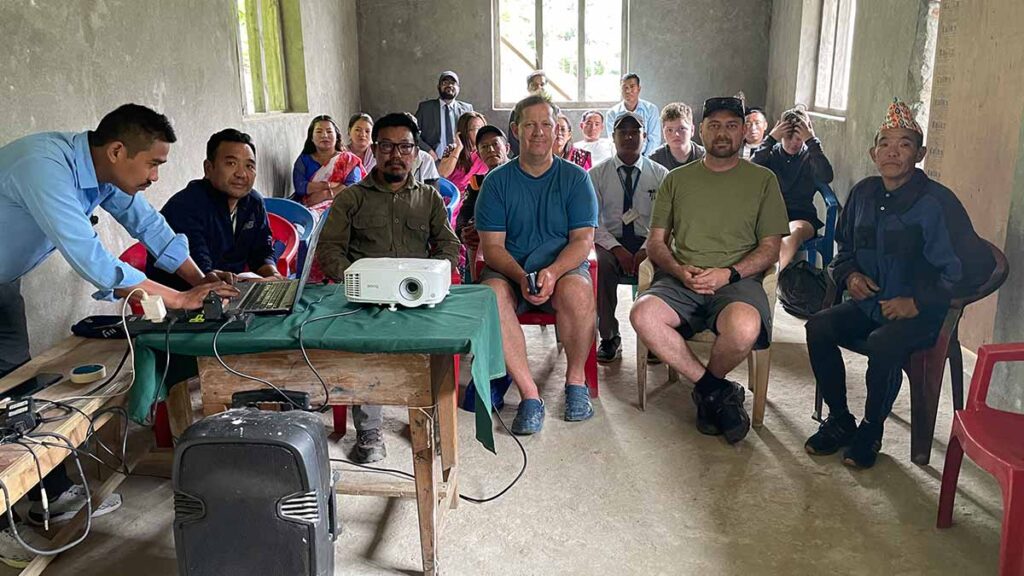
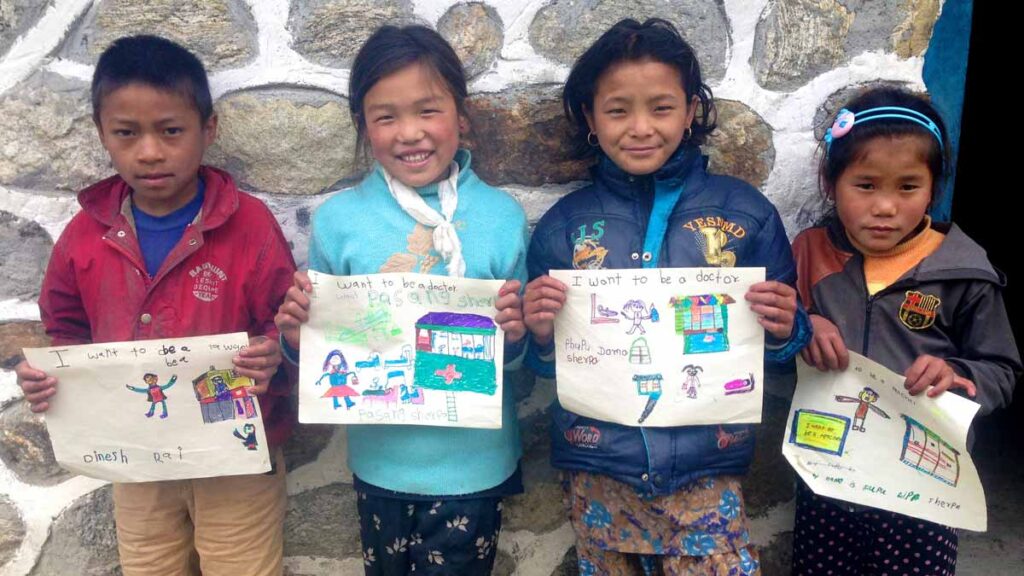
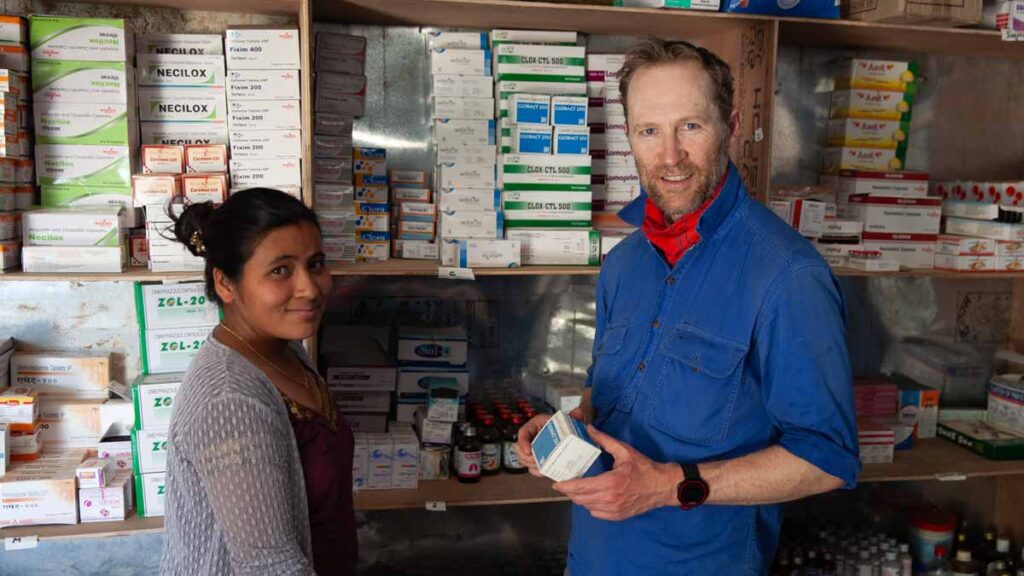
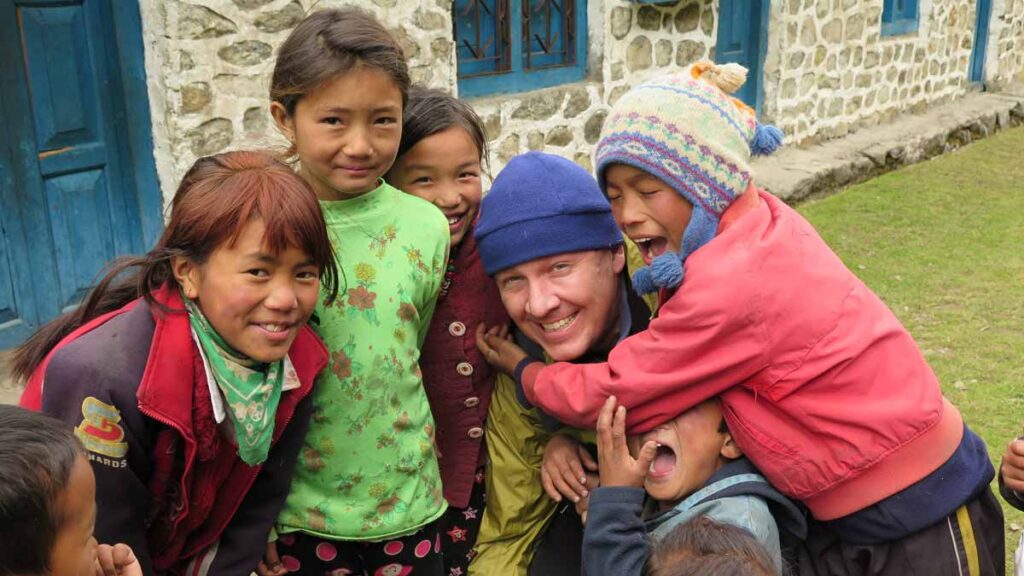
HDFA is a registered Australian charity (ACNC) and an approved developing-country relief fund, which means all donations are fully tax-deductible for Australian residents.
(2014–present)
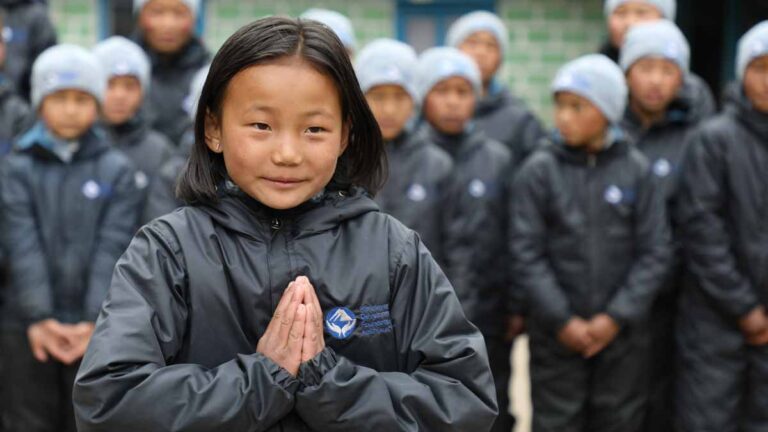
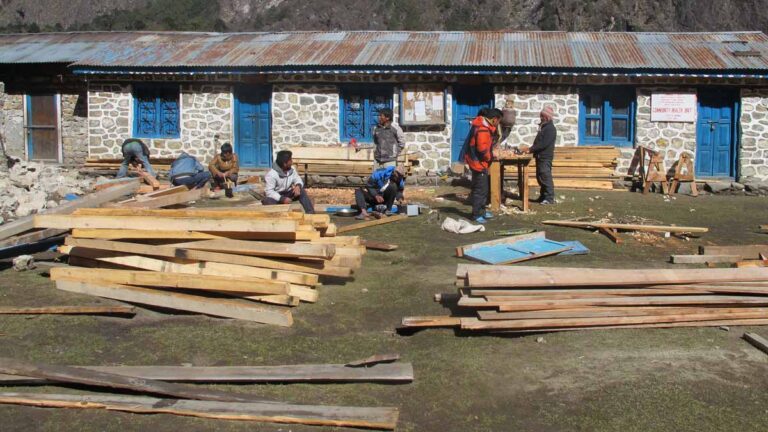
A single cold classroom grew into a community-run model school with 100% attendance, improved health services and stronger local leadership.
(2016–present)
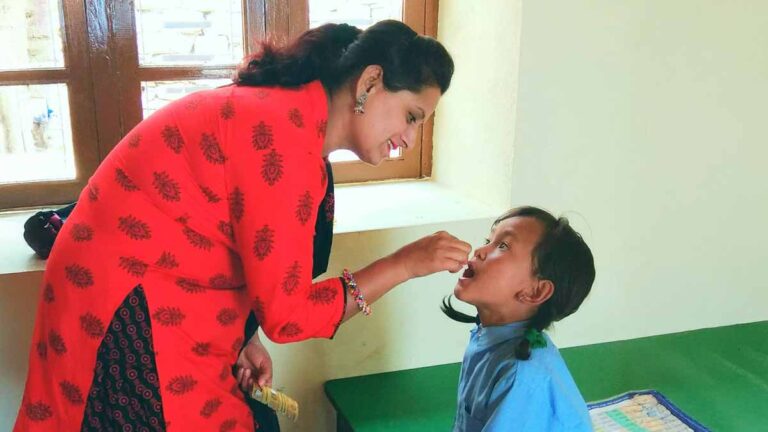
A heavily earthquake-affected region rebuilt its health system, strengthened livelihoods and expanded education from early childhood to Grade 8.
(2022–present)
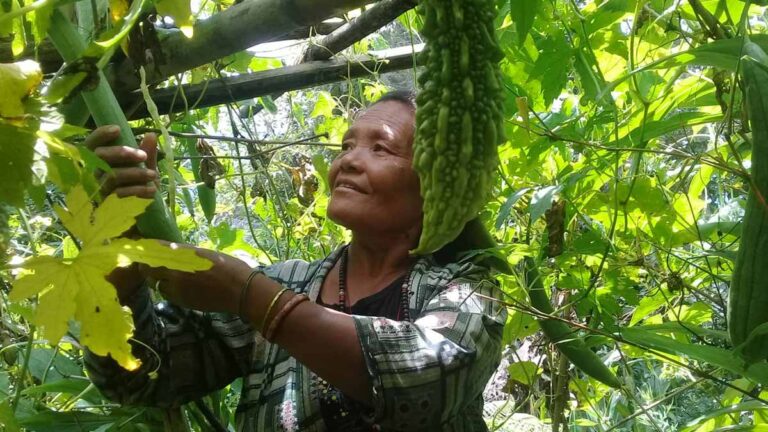
Remote villages off the Kanchenjunga trail began building stronger teaching, cleaner water, better toilets, new orchards, a biofertiliser factory and micro-enterprises for women.
(2024–future)
HDFA’s most ambitious undertaking — a cradle-to-career, municipality-wide model across all 38 mountain schools. Starting small with a pilot. Designed to grow school by school, valley by valley.
Great partnerships make great outcomes. We’re proud to work with local organisations who bring deep expertise, local leadership and a shared vision for children’s futures.
PHASE Nepal is a respected Nepali organisation specialising in remote community development, health and education support. They bring deep expertise in maternal care, hygiene, community health awareness, school engagement and local capacity building. PHASE helps ensure HDFA projects strengthen the everyday conditions children need to learn and thrive.
KBSS is a long-standing community organisation with deep relationships throughout the Kanchenjunga region. They provide local coordination, cultural connection, community mobilisation and on-the-ground leadership. Their guidance ensures HDFA’s work is shaped by community priorities and grounded in local knowledge.
HDFA’s agroecology partner in Eastern Nepal. They train farmers in orchard care, soil health, composting and regenerative agriculture, and run the region’s first Agriculture Knowledge Centre and biofertiliser factory. AHF creates practical pathways to food security, income and future employment through the emerging Agroecology Institute.
The Phaktanglung Rural Municipality is HDFA’s government partner for Eastern Nepal Rising. They co-lead planning, co-fund priority activities and help coordinate long-term improvements across 38 schools. Their involvement ensures the project is locally owned, aligned with municipal goals and built for long-term sustainability.